
The history of stitch-bonded fabric

Today, stitch-bonded non-woven material is an extremely durable and sustainable textile that offers excellent value for money. The fabric is tough and can withstand heavy use for a long time. This is due to the way it’s made and the fact that it’s a plastic-based material made from recycled polyethylene terephthalate (rPET) bottles. Romatex is […]
Benefits of non-woven textiles

Non-woven textiles are made from polymer threads using various methods, including stitch-bonding. These textiles are sustainable, lightweight and incredibly durable, which is why they’re used to make recycled shopping bags, window blinds, footwear and even eco-bricks. Romatex is a leading manufacturer and supplier of stitch-bonded non-woven textiles in South Africa. Our facility in Cape Town […]
Why the textile industry is important in South Africa

The South African textile industry is a historic contributor to the national economy and is a major source of employment, particularly for women. Although most of the manufacturing facilities that produce various textiles are located in the Western Cape, KwaZulu-Natal, Gauteng and the Free State, the economic benefits from the industry help South Africa on […]
Properties of stitch-bonded non-woven material

Stitch-bonded non-woven material is made on an industrial knitting machine which bonds a web of plastic-based fibres together with a longitudinal yarn. This gives the fabric a softer texture that is flexible and highly durable. Romatex is a leading manufacturer and supplier of stitch-bonded non-woven material in South Africa. This sustainable textile has many uses […]
Can textile waste be recycled?
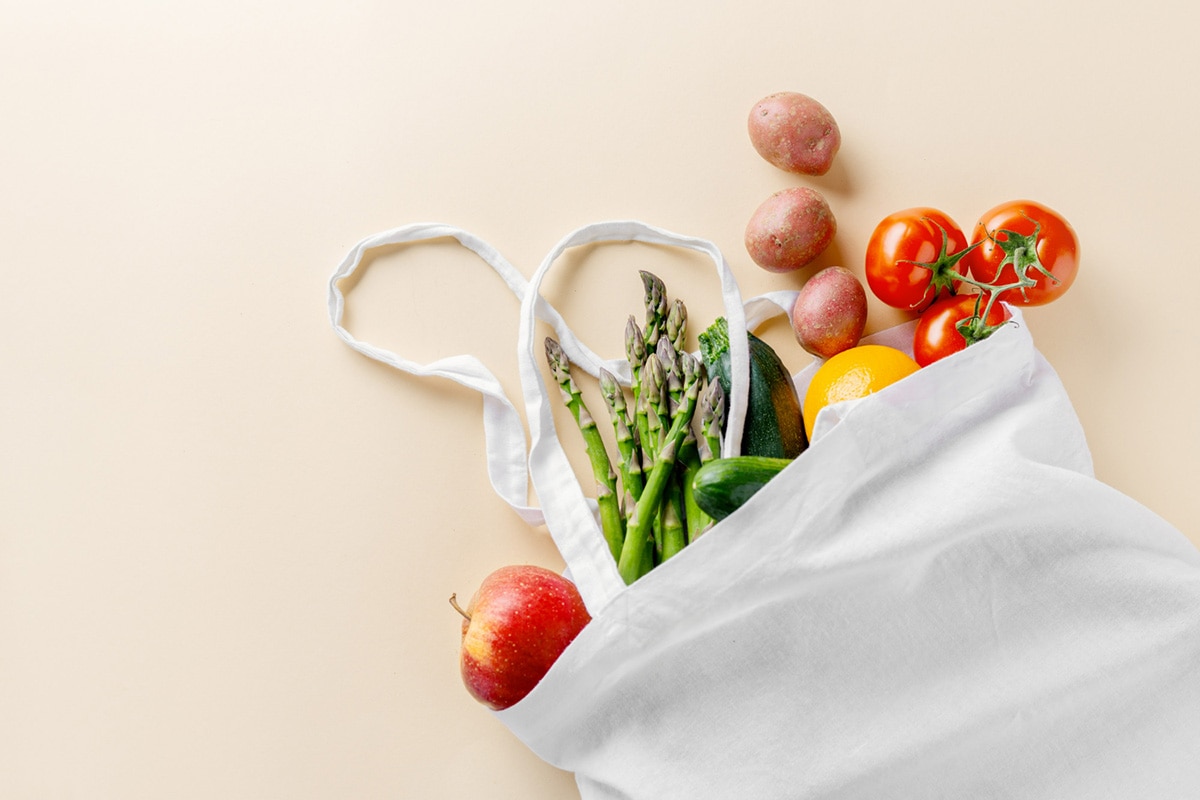
Plastic, glass, cans and paper – everyone knows that these are the most commonly recycled materials in South Africa. However, a grey area may creep in when it comes to textiles and fabrics. In general, textiles can be recycled, but it depends on the core component of the material and whether a recycling facility in […]
Possibilities of eco-bricks in South Africa
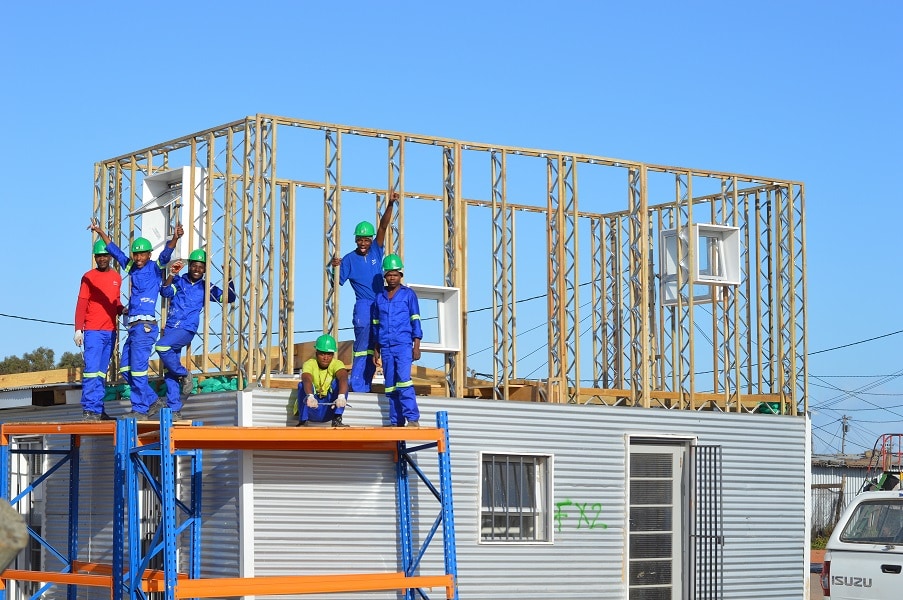
Affordable housing has long been an issue, not just in South Africa but across the globe too. Governments worldwide are trying to find ways to build homes for citizens without running over budget or impacting the fiscus. Brick-and-mortar houses are expensive, so alternative building materials are needed. Add to this the ever-growing concerns for the […]
Romatex annual report highlights
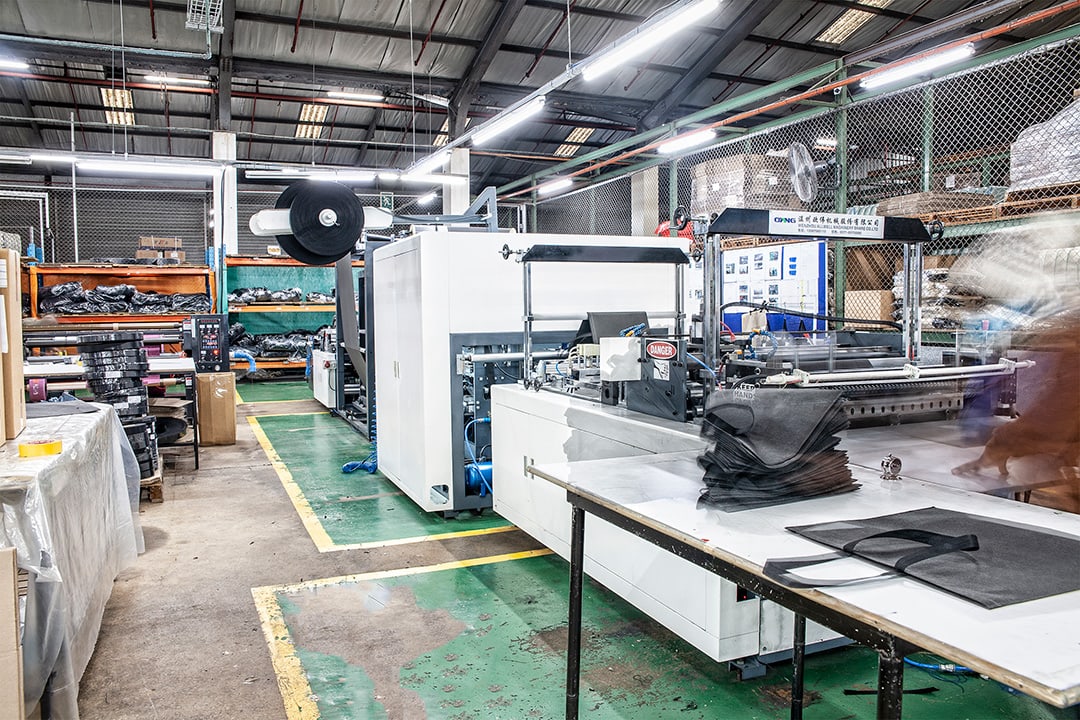
Romatex is a leading manufacturer of household textiles and stitch-bond fabric, situated at a highly mechanised manufacturing facility in Cape Town. During the 2021 calendar year, Romatex consumed over 66-million plastic bottles worth of rPET fibre, making a significant impact in the reduction of plastic waste to landfill. This figure grows year on year. One […]
Uses for stitch-bonded non-woven material
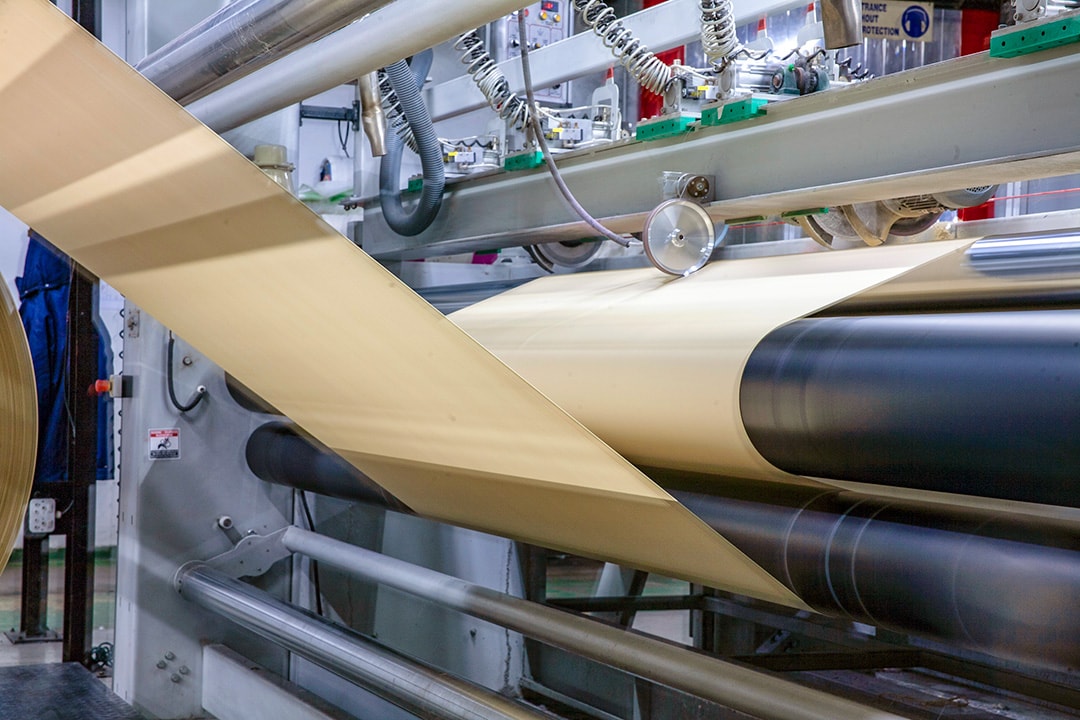
Stitch-bonded non-woven material is made from recycled plastic bottles (called rPET). Romatex is a leading manufacturer and supplier of this sustainable textile in South Africa. We produce around two million square metres of stitch-bonded non-woven material every month, which is sold as fabric to various companies. The colours of the material depend on the colour […]
Stitch-bonded non-woven material: from plastic bottles to fabric

Romatex is a leading manufacturer and supplier of stitch-bonded non-woven material in South Africa. This sustainable textile is manufactured from recycled polyethylene terephthalate (rPET) plastic, which is most commonly used to produce plastic bottles. There are many end uses for stitch-bonded non-woven material, including shopping bags, waterproofing membranes, vertical blinds, home textiles, footwear, eco-blocks for […]